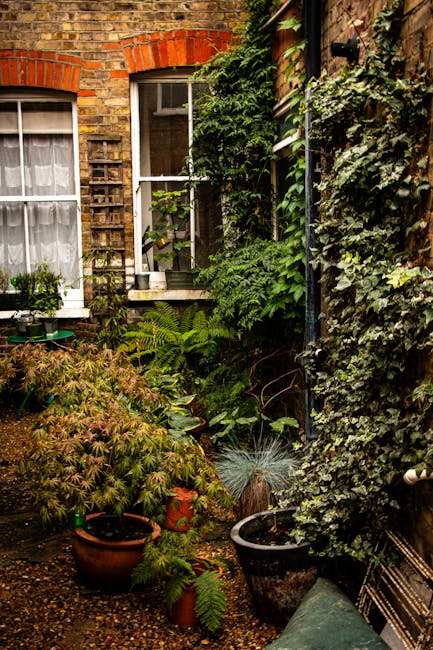
Best gardeners for narrow Bow gardens on Mile End Road
Narrow gardens can be wonderfully characterful, but they can also be a bit awkward. On Mile End Road, where space is often tight and many plots sit behind terraces, the right help makes a real difference. The best gardeners for narrow Bow gardens on Mile End Road understand how to work with slim layouts, awkward access, shaded corners, and the everyday wear that London gardens pick up over time. If you have ever looked out at a long, skinny patch and thought, "Where do I even start?", you are in the right place.
This guide breaks down what good narrow-garden care looks like, how to choose the right gardener, what services matter most, and the common mistakes that can make a compact garden feel even smaller. It is practical, local, and written for people who want a garden that feels easier to use, not more complicated.
For a wider view of what's available, you may also want to explore the services overview and see how garden maintenance fits into a year-round plan.
Quick takeaway: a narrow Bow garden usually needs precision more than volume. The right gardener will think about layout, light, planting scale, access, and maintenance time-not just tidying up once and hoping for the best.
Table of Contents
- Why it matters
- How it works
- Key benefits and practical advantages
- Who this is for and when it makes sense
- Step-by-step guidance
- Expert tips for better results
- Common mistakes to avoid
- Tools, resources and recommendations
- Law, compliance, standards, or best practice
- Options, methods, or comparison table
- Case study or real-world example
- Practical checklist
- Conclusion
- Frequently asked questions
Why Best gardeners for narrow Bow gardens on Mile End Road Matters
Narrow gardens are rarely difficult because they are small. They are difficult because every decision has consequences. A hedge planted in the wrong place can pinch the walkway. A lawn that looks fine in summer can become a damp, tired strip by autumn. A heavy-handed pruning job can make a slim garden feel bare instead of fresh.
That is why specialist attention matters. The best gardeners for narrow Bow gardens on Mile End Road are not simply people who mow, trim, and leave. They know how to balance structure and softness, manage moisture and shade, and create a sense of width even where the plot is only a few metres across. In a London setting, that might mean working around side returns, basement light wells, brick walls, and mixed conditions from one end of the garden to the other. It is never quite one-size-fits-all. Not even close.
There is also a practical side. Narrow gardens often need more frequent, lighter maintenance rather than occasional major intervention. That approach keeps the space usable and avoids the all-too-familiar "everything has got away from us" moment after a few busy months. Truth be told, that happens to plenty of people.
Local knowledge matters too. Around Bow and Mile End Road, access can be tight, storage space limited, and some gardens share boundaries with neighbours who also care about noise, mess, and timing. A gardener who understands those realities will work more smoothly from day one.
How Best gardeners for narrow Bow gardens on Mile End Road Works
A good narrow-garden service usually starts with observation. Before anyone cuts, digs, or plants, they should look at how the space behaves through the day. Where does the light land at 10 a.m.? Which end dries out first? Is there a draft funneling through the side passage? Does one wall create shade and damp, while another bakes in the afternoon?
That first assessment guides everything else. In a slim London garden, the aim is to make the space feel deliberate. Here is what that often involves:
- Careful pruning: keeping plants in proportion so they do not overwhelm the path or steal light.
- Layered planting: using height, texture, and repeated shapes to create depth without clutter.
- Surface management: keeping paths, patios, decking, and borders clean and safe.
- Seasonal maintenance: adjusting work through the year instead of using the same approach every visit.
- Access planning: making sure tools, waste, and materials can be moved without damaging plants or hard landscaping.
For many properties, narrow-garden care also links to wider services such as hedge trimming, lawn mowing, and even landscape gardening when the layout needs a more significant rethink.
A sensible gardener will not rush to "fill every gap". That is one of the biggest misunderstandings with compact spaces. Breathing room is part of the design. Sometimes the smartest move is to remove a bit, thin a bit, and let the remaining planting do the work.
Key Benefits and Practical Advantages
The most obvious benefit is that the garden looks better. But the real value goes further than neatness. A well-managed narrow garden can feel calmer, more spacious, and easier to use day to day. You notice it when you step outside with a cup of tea and the space feels intentional rather than cramped.
1. Better use of limited space
In narrow gardens, every square metre counts. Skilled gardeners know how to preserve walking lines, create usable seating zones, and avoid blocking sightlines. A slightly raised planter or a carefully placed climber can do more than a bulky border ever could.
2. Improved light and airflow
Overgrown planting can trap shade and damp. The right trimming and spacing help light travel deeper into the plot. That can make a surprising difference, especially in terraced areas where boundaries are high and the sun may only reach one side for part of the day.
3. Easier maintenance over time
Once a narrow garden is shaped properly, it becomes easier to maintain. That means fewer big weekend rescue jobs and less chance of the garden turning into a tangle by midsummer. Small, regular work is often the quiet hero here.
4. Safer paths and surfaces
Slippery paving, loose edging, and uneven decking are more noticeable in tight gardens because people have fewer ways around them. Good maintenance reduces trip hazards and keeps the garden practical in wet weather, which, let's face it, is very much part of life in London.
5. Better resale impression
Buyers often notice outdoor space quickly, even if it is compact. A slim garden that feels well cared for can add real appeal. It does not need to be grand. It needs to feel usable, tidy, and looked after.
| What a narrow garden needs | Why it matters | Typical gardener focus |
|---|---|---|
| Clear structure | Makes the space feel bigger and easier to navigate | Pruning, edging, layout adjustments |
| Light-sensitive planting | Prevents weak or patchy growth | Plant selection and seasonal care |
| Regular upkeep | Stops the garden becoming crowded | Maintenance visits and tidy finishes |
| Practical surfaces | Keeps the garden safe and usable | Cleaning, repairs, clearance |
| Smart proportions | Maintains balance in a tight footprint | Plant spacing and simple design choices |
Who This Is For and When It Makes Sense
This kind of service suits homeowners, landlords, tenants, and property managers who want a narrow outdoor area to work properly rather than simply look presentable for a week or two. If your garden runs long and slim behind a terraced house, or if there is a compact courtyard that feels awkward to use, specialised help is likely a good fit.
It also makes sense if any of the following sound familiar:
- You keep trimming the same plants but the space still feels crowded.
- The garden looks fine from one angle and messy from another.
- One side is shady and damp while the other dries out too fast.
- You want a planting plan that suits a smaller footprint.
- You need a reliable routine rather than a once-a-year tidy-up.
- You are preparing a rental property or sale and want the outdoor space to feel more inviting.
There is a common moment in narrow gardens when people realise the problem is not a lack of effort. It is a lack of proportion. A broad approach that works in larger spaces can actually make a slim Bow garden feel even tighter. That is why choosing a gardener with the right experience matters so much.
If the space also needs a reset, a one-off garden clearance may be a useful starting point before setting up regular care.
Step-by-Step Guidance
If you are deciding how to tackle a narrow garden on Mile End Road, here is a practical way to think it through.
Step 1: Look at how the space is used now
Start with honest observation. Do you walk through the garden, sit in it, or mostly look at it from indoors? A good gardener will want to know this before suggesting changes. If the space is mainly a view, the design may lean more on planting structure. If it is used daily, durability and easy access become more important.
Step 2: Identify the problem areas
Most narrow gardens have a few predictable issues: a dark end, overgrown borders, patchy turf, limited storage, or awkward drainage. Make a quick note of what bothers you most. That makes it easier to prioritise the work.
Step 3: Decide what should be kept
It is tempting to rip everything out. Sometimes that is right. Often it is not. Mature shrubs, climbers, or boundary plants can be worth saving if they have the right shape and health. A careful gardener will advise where to keep, reduce, or replace.
Step 4: Match the planting to the width of the space
In narrow gardens, planting should work in layers, not walls. Think repeated forms, slender trees where appropriate, and plants that do not sprawl without control. It is a bit like editing a paragraph. Remove the clutter and the message becomes clearer.
Step 5: Build a maintenance rhythm
Once the garden is under control, maintenance should be simple and realistic. For some people that means fortnightly visits in peak season and less frequent visits in winter. For others, a monthly service plus occasional extra work is enough. The right rhythm depends on growth rate, planting style, and how much time you want to spend yourself.
Step 6: Review after a season
Do not expect the perfect answer on day one. Narrow gardens often improve once you see how they behave through spring, a hot spell, and the wetter months. Adjusting the plan after a few months is normal, and often wise.
Expert Tips for Better Results
Here are the small things that separate a decent result from a really good one.
- Keep the eye moving. Repeating a few plant forms or colours helps a slim garden feel longer and more composed.
- Use height carefully. Vertical interest can be brilliant, but too much tall planting in the wrong place can make the garden feel boxed in.
- Choose hard surfaces thoughtfully. In narrow spaces, paving, gravel, or decking should support the design rather than dominate it.
- Prune for shape, not just size. A plant can be reduced and still look messy if the outline is poor.
- Leave some open space. Negative space is not wasted space. It gives the garden room to breathe.
- Think about viewing angles. What looks balanced from the back door may feel very different halfway down the path.
A good local gardener will also keep an eye on the practical details: where rainwater pools after a shower, whether the bin route crushes border edges, and how often the garden gets shaded by nearby buildings. Those are tiny things, but they add up.
One more thing-do not underestimate simple cleanliness. A slim garden can look dramatically better after moss removal, leaf clearance, and a proper tidy of edges. It sounds almost too basic. It is not.
Common Mistakes to Avoid
Narrow gardens fail for predictable reasons. The good news? Most of them are avoidable.
Overcrowding the planting
This is the classic mistake. People try to make a small garden feel lush by adding too much. The result is often the opposite: less light, less movement, and more maintenance. A narrow plot benefits from editing, not stacking.
Ignoring access
If a gardener cannot move comfortably through the space, the work becomes slower and less effective. Access matters for tools, waste removal, and routine upkeep. It is not glamorous, but it matters.
Using oversized features
Large planters, heavy ornaments, or chunky furniture can overwhelm a slim layout. It is easy to fall in love with a feature in a showroom and then realise it eats half the garden. Happens all the time.
Cutting back too harshly
Some plants can take hard pruning. Others cannot. A gardener who works too aggressively may leave bare stems, exposed soil, or a flat, lifeless look. Good pruning should refresh the garden, not strip it of character.
Forgetting the seasonal picture
Gardens change. What works in June may look sparse in February, and what seems fine in early spring may become crowded by July. Good planning should account for the full year, not just the best weeks.
Not asking about waste handling
In compact London gardens, green waste can pile up quickly. If clearance is not planned properly, the space becomes cluttered again before the job is even finished. A tidy process is part of the service, not an afterthought.
Tools, Resources and Recommendations
You do not need a shed full of specialist kit to manage a narrow garden well, but the right tools and services help a lot. A few essentials usually make the biggest difference.
- Bypass secateurs: useful for clean cuts on smaller stems and roses.
- Long-handled loppers: handy when branches need reach without crushing nearby growth.
- Lightweight pruning saw: useful for thicker woody growth where precision matters.
- Leaf rake and hand scoop: especially useful in slim spaces where debris collects quickly.
- Compact mower or strimmer: depending on whether you have a small lawn strip or mixed edging.
- Plant supports and ties: important when climbers or taller plants need structure without bulk.
For bigger jobs, many people prefer to combine routine care with occasional specialist support. That might include landscaping for layout changes, decking services where a narrow seating zone would work better than turf, or tree lopping and removal if a large tree is stealing all the light from the garden below.
If you are comparing providers, it also helps to check how they present pricing and quotes and whether they explain work clearly. Transparent quoting is usually a sign of an organised business, and in a narrow garden, organisation is half the battle.
Law, Compliance, Standards, or Best Practice
For most domestic garden work, the key concerns are safety, neighbour consideration, waste handling, and responsible working practice. You do not need to turn the job into a legal project, but it is sensible to choose a gardener who works carefully and follows normal UK expectations around safe tool use, clear communication, and tidy site management.
If a job involves ladders, power tools, heavy cutting, tree work, or access through shared areas, sensible health and safety practice becomes especially important. It is reasonable to ask how the gardener handles risk, whether they are insured, and how they manage waste. Those are fair questions. Very fair.
For example, larger pruning or removal work should be handled with care so that property, fencing, and neighbouring spaces are not damaged. If you share boundaries with others, courteous timing matters too. Noise and mess are small things until they become your problem next door.
Reputable gardeners should also be able to explain how they handle material disposal and, where relevant, recycling or re-use of green waste. If environmental responsibility matters to you, a service that values recycling and sustainability is worth a closer look.
Finally, check the practical paperwork behind the service. Pages like insurance and safety, health and safety policy, and terms and conditions help set expectations before any work begins.
Options, Methods, or Comparison Table
If you are weighing up how to improve a narrow garden, these are the most common approaches.
| Approach | Best for | Strengths | Limitations |
|---|---|---|---|
| Regular maintenance | Gardens already in decent shape | Keeps growth under control, predictable cost and effort | May not solve poor layout or severe overcrowding |
| One-off clearance | Overgrown or neglected spaces | Fast reset, clears room for a fresh plan | Needs follow-up care to stay effective |
| Light redesign | Spaces that feel awkward or narrow | Improves flow, light, and proportion | May need a bigger budget and more planning |
| Full landscaping | Major layout problems or poor surfaces | Biggest transformation, long-term value | More disruption and usually more cost |
The best choice depends on the condition of the garden and what you want from it. If the structure is basically sound, maintenance plus selective improvements may be enough. If the plot feels cramped, dark, or unusable, a more comprehensive approach could be the smarter route. In practice, many people start smaller and then build from there. Sensible, really.
Case Study or Real-World Example
Picture a narrow terraced garden off Mile End Road. It is long, shaded at one end, and the border has slowly taken over the path. The lawn is patchy, a shrub near the back has become woody and top-heavy, and the whole place feels like it is closing in a little.
A good gardener would not begin by forcing in more plants. First, they would clear access, thin the overcrowded growth, and decide what can stay. The shrub might be reshaped or reduced. The border would be simplified. The path edges would be redefined so the eye can read the space more clearly. Then, instead of trying to grow a dense jungle, the gardener might introduce a few layered plants with different textures and heights, plus a simple maintenance rhythm that keeps the lines clean.
After a season, the difference would be less about drama and more about ease. The garden would feel wider, brighter, and easier to move through. The people using it would probably notice small things first: less mess on the paving, a clearer route to the back, fewer overhanging branches brushing the shoulders. That is often how good garden work feels. Quiet. Then suddenly very noticeable.
If the outdoor space also needs a broader refresh, it can be helpful to look at the company's wider story on the about us page, or browse the blog for related practical ideas. One useful read is the Bow Road garden maintenance guide for terraced homes, which speaks directly to the kind of layout many local properties share.
Practical Checklist
Use this checklist when comparing gardeners or planning work on your own.
- Does the gardener understand narrow or terrace-style gardens?
- Do they ask about access, sunlight, and how you use the space?
- Can they explain what will be kept, cut back, or removed?
- Do they suggest maintenance that suits the growth rate of the garden?
- Are they clear about waste removal and tidy-up at the end of the job?
- Do they work with proportions, not just heavy cutting?
- Have they shown awareness of safety and insurance?
- Can they support either routine care or a one-off reset?
- Do they give a realistic quote without vague promises?
- Do they leave the garden easier to use, not just "done"?
If you can answer yes to most of these, you are probably on the right track.
Conclusion
Choosing the best gardeners for narrow Bow gardens on Mile End Road is really about finding people who understand proportions, light, access, and the everyday realities of a compact London plot. The right gardener will not treat your garden like a generic patch of green. They will read the space, simplify what is crowded, and build in a rhythm that keeps it manageable. That is the difference between a garden that merely survives and one that genuinely works for you.
Whether your space needs a seasonal tidy, a careful reshaping, or a bigger rethink, the best outcome is usually the one that feels natural once it is done. Not overdone. Not fussy. Just right. And honestly, that is what most narrow gardens are waiting for.
Get a free quote today and see how much you can save.
Frequently Asked Questions
What makes a gardener good for a narrow Bow garden?
A good gardener understands how to work with limited width, awkward access, and mixed light conditions. They should be able to prune with restraint, simplify crowded planting, and make the garden feel easier to move through.
Do narrow gardens need more frequent maintenance?
Usually, yes. Smaller spaces can look overgrown faster, especially where planting is dense or the garden gets regular rain and shade. Light but regular maintenance often works better than occasional heavy work.
Can a narrow garden actually feel bigger?
Yes. Careful pruning, better spacing, simpler planting, and clear sightlines can make a slim garden feel much more open. Sometimes the biggest change is just getting rid of visual clutter.
What services are most useful for narrow gardens?
Garden maintenance, hedge trimming, lawn mowing, garden clearance, and sometimes landscaping or decking work are the most common services. The right mix depends on whether the problem is tidiness, layout, or both.
Is one-off clearance enough for an overgrown narrow garden?
It can be a good start, especially if the space has been neglected. But if you want the result to last, follow-up maintenance is important. Otherwise the same problems tend to creep back in.
How do I know if a gardener is being too aggressive with pruning?
If they suggest cutting everything back hard without explaining why, that is a warning sign. Proper pruning should suit the plant species and the look you want, not just reduce size as much as possible.
Should I ask about insurance and safety?
Yes, absolutely. If the work involves tools, ladders, heavy cutting, or tree-related tasks, it is sensible to ask how they manage safety and whether they are insured. A trustworthy gardener should expect that question.
What if my narrow garden has very poor light?
That is common in urban terrace settings. A gardener can often improve the feel of the space with shade-tolerant planting, lighter hard surfaces, selective pruning, and a layout that avoids making the darkest end feel closed in.
How much redesign does a narrow garden usually need?
Some need only tidy maintenance and small adjustments. Others benefit from a more noticeable redesign, especially if the current layout blocks movement or light. The amount of work depends on what is making the garden feel awkward in the first place.
What should I prepare before getting a quote?
Take a few photos, note the areas that bother you most, and think about how you use the garden. If you want to keep certain plants or features, mention that too. It helps the gardener give a more accurate plan.
Are there environmental benefits to choosing a responsible gardener?
Yes. A gardener who handles waste carefully, avoids unnecessary removal, and thinks sensibly about reuse or recycling can reduce waste and make the job more sustainable. It is a practical benefit, not just a nice extra.
When is the best time to improve a narrow garden?
There is no single perfect time, but spring and early autumn are often useful windows for planting and reshaping. That said, maintenance and clearance can happen at any time of year if the weather and plant conditions allow.
If you are weighing up the next step, start with the garden's biggest bottleneck: light, access, or overcrowding. Fixing the right one first tends to make everything else easier. And once that happens, the whole space usually starts to breathe again.