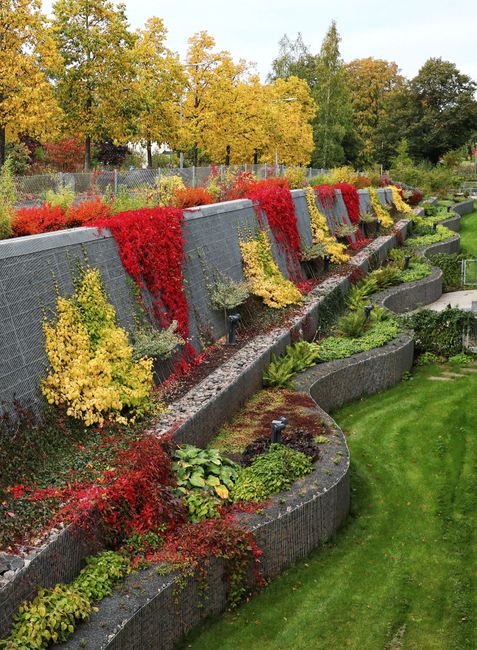
Devons Road gardening quotes guide for terraced gardens
If you live near Devons Road, you already know a terraced garden can be a brilliant little space and a fiddly one at the same time. Narrow access, shared boundaries, awkward gradients, broken slabs, a patch of lawn that never seems to thrive - it all affects the price and the plan. This Devons Road gardening quotes guide for terraced gardens is here to make sense of that process in plain English, so you can compare quotes properly, avoid surprise costs, and choose the right help for the job.
Whether you need a tidy-up, regular upkeep, hedge work, clearance, or a fuller redesign, the right quote should feel clear, specific, and realistic. Not vague. Not suspiciously cheap. And definitely not written in a way that leaves you guessing what happens next.
One quick note before we begin: a good quote is more than a price. It is a small map of the work, the materials, the access, the timing, and the risks. Get that right, and the rest becomes much easier.
Table of Contents
- Why Devons Road gardening quotes guide for terraced gardens Matters
- How Devons Road gardening quotes guide for terraced gardens Works
- Key Benefits and Practical Advantages
- Who This Is For and When It Makes Sense
- Step-by-Step Guidance
- Expert Tips for Better Results
- Common Mistakes to Avoid
- Tools, Resources and Recommendations
- Law, Compliance, Standards, or Best Practice
- Options, Methods, or Comparison Table
- Case Study or Real-World Example
- Practical Checklist
- Conclusion
- Frequently Asked Questions
Why Devons Road gardening quotes guide for terraced gardens Matters
Terraced gardens are rarely simple. They usually come with a few predictable headaches: tight side access, limited storage space, neighbour-facing boundaries, and soil that may be compacted or neglected. Add the local reality of East London living - bins, bikes, narrow paths, maybe a small rear gate that barely opens fully - and the work can be more involved than it first looks.
That is why quotes matter so much. A terrace garden might look like a straightforward tidy-up from the kitchen window, but the real job could involve waste removal, hand-digging in tight areas, pruning around shared fences, or careful planning if you want a deck, lawn, or planting scheme. If the quote does not reflect those details, the final bill can drift. Nobody likes that. Not you, and not the person doing the work either.
For many homeowners and landlords around Devons Road, the goal is simple: get a space that feels usable again without overpaying. A well-written quote helps you separate genuine value from guesswork. It also gives you something concrete to compare across different providers.
Expert summary: In terraced gardens, the cheapest quote is often the least useful one. Clarity usually saves money in the end, because it reduces add-ons, repeat visits, and miscommunication.
If you are looking at broader upkeep, it can also help to understand how routine work fits in with one-off jobs. Services such as garden maintenance and garden clearance often form the backbone of terraced-garden pricing, because they cover the sort of repetitive or labour-heavy work that smaller plots still manage to generate in abundance.
How Devons Road gardening quotes guide for terraced gardens Works
A proper quote process usually starts with an assessment. That might be a site visit, photos, or a detailed description of the garden. For terraced homes, the most useful quotes tend to ask about access, waste, boundaries, surface condition, and whether the work is cosmetic, restorative, or structural.
Here is what typically affects the quote:
- Garden size and shape: A long, narrow plot often takes more time to work through than it first appears.
- Access: Narrow entrances, side passages, rear lane access, and stairways can change labour time.
- Condition: Overgrown beds, broken fencing, weeds in paving, moss, and neglected lawns all add effort.
- Waste volume: Green waste, rubble, timber, and old soil all influence disposal and transport.
- Task complexity: A simple mow is very different from a full redesign or clear-and-replant job.
- Timing: Urgent work, peak-season demand, or weather-sensitive jobs can affect scheduling.
A quote should also make clear what is included and what is not. That means outlining labour, materials, disposal, and any optional extras. If a provider says "garden tidy" without explaining the scope, you may be looking at a moving target. And yes, that can be frustrating. Very.
For example, a terraced rear garden with an overgrown border, a patchy lawn, and a few small trees might need pruning, mowing, edging, and waste removal. If the job also involves lifting old paving or rebuilding a planting bed, the quote should show that separately. Good quoting is specific because the work itself is specific.
Key Benefits and Practical Advantages
The main benefit of a clear quote is confidence. You know what the job should cost, what the work covers, and how to compare one provider with another. But there are a few other advantages worth spelling out.
1. Better budgeting
Terraced garden work can feel "small" until the labour starts. A detailed quote helps you budget for a one-off refresh or a longer-term plan, especially if you want to spread work across months rather than do everything at once.
2. Easier comparison
When quotes are written properly, you can compare like with like. That is vital. One provider might include disposal and trimming, while another only includes labour. The headline number can be misleading if you do not check the detail.
3. Fewer surprises on the day
Clear scope means fewer awkward conversations halfway through the job. If everyone already agrees on what is being done, the work runs more smoothly. Less back-and-forth, fewer delays, less stress.
4. Better use of small space
Terraced gardens often benefit from modest improvements that make a big visual difference: sharper edges, better planting structure, more usable paving, or a cleaner layout. A good quote process helps you focus on the changes that matter most rather than throwing money at the wrong thing.
5. Stronger long-term upkeep
If you plan regular visits, a quote can lead into a maintenance schedule that suits the garden's actual needs. That might include mowing, hedge cutting, or seasonal tidying. If you want a more structured service model, it is worth looking at services overview information alongside pricing so you can see how jobs are usually grouped.
To be fair, the best part is often how quickly a tired terrace garden can change once the right work starts. A little order goes a long way when space is tight.
Who This Is For and When It Makes Sense
This guide is useful if you are any of the following:
- a homeowner wanting to revive a small rear garden
- a landlord preparing a terraced property for new tenants
- a buyer trying to understand what a neglected garden might cost to restore
- someone planning seasonal maintenance rather than a full redesign
- an owner who needs help comparing gardening and landscaping quotes properly
It also makes sense if you are not sure whether your garden needs maintenance or a bigger transformation. Sometimes the answer is a tidy and trim. Sometimes it is landscaping, decking, or a complete reset. A quote can help you decide where the line sits.
If your terrace garden is structurally sound but messy, routine care may be enough. If the space is uneven, waterlogged, or poorly laid out, you may need more than maintenance. In those cases, services like landscape gardening and landscaping become more relevant because they address layout, function, and long-term usability, not just appearances.
And if your problem is mainly thick hedges, boundary overgrowth, or privacy screening, then hedge trimming might be the practical first step. A small job on paper can become a bigger one once you see how much light and space comes back after pruning. A nice surprise, frankly.
Step-by-Step Guidance
If you want a quote that actually helps, use a method. Rushing this part is where people get caught out.
- Walk the garden carefully. Note access, uneven areas, damp patches, weeds, broken features, and any awkward corners. Look at it from the back door and again from the far end if possible.
- Decide what outcome you want. Do you want a tidy garden, a safer space, better privacy, more planting, or a full redesign? The clearer the outcome, the more accurate the quote.
- List the visible jobs. That might include mowing, border clearing, hedge cutting, debris removal, turf repair, fence-related trimming, or paving clean-up.
- Ask how waste is handled. Waste can be a real cost driver in terraced gardens, especially when access is limited. Make sure the quote states whether removal is included.
- Check whether materials are included. Soil, mulch, plants, timber, fixings, and decking components can all change the figure.
- Request the quote in writing. A written quote is easier to compare and far easier to refer back to if the scope changes later.
- Ask about timing and disruption. Will the work take one visit or several? Will it require you to move cars, bins, or garden furniture? Little things matter here.
- Compare the details, not just the price. The cheapest quote may exclude disposal or aftercare. The most expensive may include more than you need.
One useful habit: ask what would cause the quote to change. That question alone can save a lot of confusion. If the provider hesitates, that is a sign to slow down.
If the job involves a decorative surface or a new seating area, a provider may also point you towards decking services. In a terrace garden, decking can create a dry, level zone for chairs, pots, and a bit of breathing room. Not every garden needs it, of course, but it can be a smart use of space.
Expert Tips for Better Results
Here is where the small wins live. These are the details that make quotes more reliable and projects less stressful.
Be specific about the finish you want
"Tidy" can mean a dozen things. If you want crisp edges, pruned shrubs, cleared beds, and a swept patio, say so. If you want a low-maintenance look with fewer plants, say that too. Specificity helps everyone.
Send photos from more than one angle
Two or three good photos can explain a garden better than a paragraph. Include the access route, any side passage, and the back area. Morning light helps, oddly enough, because shadows can hide the uneven bits.
Think in stages if budget matters
For many terraced gardens, the smartest approach is not "do everything now". It is "stabilise the space first, then improve it in stages". Clearance and maintenance first. Bigger design changes later if needed.
Ask about sustainability
Green waste can sometimes be reused or recycled in line with good practice. If environmental responsibility matters to you, ask how waste is sorted and handled. A reputable provider should be able to explain this simply. For more on the company's approach, look at recycling and sustainability.
Plan for the season
Spring and early summer often bring more demand, so quotes may vary with availability. If your garden is not urgent, booking earlier can give you more options. Truth be told, a quiet autumn slot can sometimes feel easier all round.
Use maintenance to protect the bigger spend
Once a terraced garden is brought back under control, ongoing upkeep matters. A sharp-looking project can slip quickly if it is left alone. Regular lawn mowing and periodic general care are usually much cheaper than another full reset.
Common Mistakes to Avoid
People make the same few mistakes when they ask for gardening quotes. Nothing dramatic. Just enough to create headaches later.
- Choosing on price alone. This is the big one. A low quote can hide exclusions or thin labour time.
- Not checking access assumptions. If the provider expects clear vehicle access but your garden can only be reached on foot, the quote may not hold.
- Failing to define waste removal. Waste is one of the most common areas where costs change.
- Leaving the surface condition out of the brief. Broken paving, compacted soil, and overgrown roots all affect the job.
- Assuming all gardening work is the same. It really is not. Clearance, maintenance, trimming, and landscaping each have different labour patterns.
- Not asking about aftercare. A fresh-looking terrace often needs a follow-up visit or regular visits to stay that way.
Let's face it, most problems start with a tiny assumption. "Oh, that'll only take an hour." Then the pile of green waste arrives and reality turns up. It happens.
Another common issue is forgetting that some jobs are linked. For example, a garden clearance can reveal soil issues, dead plants, or poor drainage that were hidden before. If that happens, the quote may need to shift. That is normal, as long as the change is explained before work continues.
Tools, Resources and Recommendations
You do not need specialist equipment to request a good quote, but a few simple tools make the process easier.
- Phone camera: Take clear pictures of the whole garden, the access route, and any problem areas.
- Notepad or notes app: Write down what matters most to you before speaking to anyone.
- Measuring tape: Useful for rough dimensions, especially if you want to compare quotes against the size of the space.
- Garden plan or sketch: Even a rough sketch helps if you want beds, a patio, a lawn, or decking in different zones.
- Seasonal task list: Keep a simple list of what needs doing now and what can wait.
When you are weighing up providers, it also helps to look beyond the headline figure and think about professionalism. Pages like about us, insurance and safety, and health and safety policy can give you a better sense of how a business works, what standards it follows, and how it handles risk. That matters more than many people realise, especially where ladders, tools, sharp edging, or waste movement are involved.
If you are simply trying to understand likely pricing before you commit, the most useful next stop is often pricing and quotes. A good pricing page should help you frame the job properly, even before anyone visits in person.
Law, Compliance, Standards, or Best Practice
For terraced gardens in London, compliance is usually about common sense, neighbour consideration, and safe working rather than complicated rules. Still, best practice matters.
If work involves trees, large branches, or anything near boundaries, a provider should be careful about property lines and safe access. If a tree is large or close to buildings, it may need a more cautious approach than a simple trim. In those cases, a service such as tree lopping and removal may be relevant, but only where the work is appropriate and safe to do.
Good practice also includes:
- clear written scope before work starts
- proper handling of waste and debris
- care around shared fences, walls, and adjoining properties
- safe tool use and tidy working areas
- realistic time estimates rather than rushed promises
Where a job may affect shared access or create noise, dust, or temporary disruption, it is courteous to let neighbours know. That is not a formal legal lecture, just solid practice in a dense neighbourhood. A small note can prevent a surprising amount of friction.
It is also sensible to check service terms before booking. If you want to understand payment expectations, booking conditions, or how service changes are managed, a provider's terms and conditions can be helpful. For questions about how personal information is handled, the privacy policy is the right place to look. And if you ever need to raise a concern, a clear complaints procedure is a reassuring sign that the business takes accountability seriously.
Options, Methods, or Comparison Table
Terraced garden work usually falls into a few broad categories. The table below shows how they differ in practical terms.
| Option | Best for | Typical scope | Quote factors to check |
|---|---|---|---|
| One-off tidy-up | Overgrown but otherwise usable gardens | Weeding, trimming, mowing, general neatening | Access, waste removal, time on site |
| Regular maintenance | Gardens that need to stay manageable | Scheduled mowing, pruning, edging, seasonal care | Visit frequency, garden size, recurring tasks |
| Clearance | Neglected spaces or move-out prep | Heavy waste removal, cutting back, clearing beds, removing debris | Waste volume, labour intensity, disposal method |
| Landscape upgrade | Spaces needing better layout or usability | Redesign, surfacing, planting structure, hard landscaping | Materials, groundworks, access, complexity |
| Decking addition | Small gardens needing a functional seating area | Design and installation of raised or level decked space | Materials, preparation, finish, transitions to existing surfaces |
In many cases, the right choice is a mix. A terraced garden might begin with clearance, move into maintenance, and then take on a small landscaping or decking project once the space is under control. That staggered approach is often more realistic - and easier on the wallet.
Case Study or Real-World Example
A typical Devons Road terrace garden might start life looking a bit forgotten. Not wild, just tired. A narrow lawn with patchy growth, a border full of self-seeded weeds, a hedge leaning into the neighbour's side, and a patio that has gone slippery with shade and winter debris.
In a situation like that, the quote process usually works best when the homeowner gives a clear brief:
- bring the garden back to a tidy, usable state
- remove all cuttings and waste
- reduce hedge size carefully
- make the paved area safer and easier to maintain
- suggest longer-term improvements if needed
The first quote might cover clearance and cutting back. After the space is opened up, the provider can see what else is needed - maybe soil improvement, a new planting plan, or better surfacing. That is a very ordinary pattern. It is also the sensible one.
I once heard a homeowner describe this kind of project as "finally seeing the back fence again." That about sums it up. Once the overgrowth is gone, the garden often feels twice as big. Maybe more.
For some homes, the follow-on work could be light maintenance. For others, the next stage may involve structural improvements or a more thoughtful layout. A quote that acknowledges that future stage, even briefly, is usually more helpful than one that pretends the first visit fixes everything forever.
Practical Checklist
Use this checklist before you request or accept a quote.
- Know what you want: tidy-up, maintenance, clearance, redesign, or decking
- Take clear photos of the whole garden and access route
- List the tasks you want included
- Measure the rough size of the space if possible
- Note any difficult access, narrow gates, or steps
- Ask whether waste removal is included
- Ask whether materials are included
- Check whether the quote is fixed or estimated
- Compare scope as well as price
- Ask what would change the quote later
- Confirm timing, duration, and disruption
- Keep the written quote for reference
If you do those things, you will already be ahead of many people. Honestly, most quoting problems disappear once the brief is properly described.
Conclusion
Terraced gardens near Devons Road can be rewarding, but they need quotes that reflect the real shape of the job. Tight access, compact plots, shared boundaries, and varying levels of neglect all affect price, timing, and scope. The best quote is not the cheapest or the longest - it is the one that shows the work clearly enough for you to make a calm, informed decision.
Start with the outcome you want, ask about waste and access, compare the details carefully, and do not be rushed by a vague number. If you do that, you are far more likely to end up with a garden that feels practical, attractive, and worth the spend. That is the real win.
Get a free quote today and see how much you can save.
And if your terrace garden has been bothering you for a while, that first clear plan can feel like a breath of fresh air. Small space, yes. Small possibilities? Not at all.
Frequently Asked Questions
How do I compare gardening quotes for a terraced garden?
Compare the scope first, not the price. Check whether each quote includes labour, waste removal, materials, access considerations, and any follow-up work. A cheaper quote can be worse value if it excludes key tasks.
Why do terraced garden quotes vary so much?
Terraced gardens often have narrow access, awkward layouts, and hidden maintenance problems. One provider may quote for simple labour, while another includes disposal, pruning, and site preparation. The work sounds similar until you read the detail.
Should I choose a fixed quote or an estimate?
A fixed quote is usually better when the job is clear and visible. An estimate can be useful for uncertain work, but it should explain what might change the final price. If the scope is vague, ask for more detail before agreeing.
What should be included in a gardening quote?
At minimum, it should explain the tasks, labour, waste handling, materials if relevant, timing, and any exclusions. If the job is a bigger terrace garden project, it should also describe access and any preparation needed.
Is garden clearance more expensive than regular maintenance?
Usually, yes, because clearance often involves heavier labour, more waste, and more time on site. Regular maintenance tends to be cheaper because the garden is already under control and easier to manage.
How often should a terraced garden be maintained?
That depends on the planting, lawn area, and how much time you want to spend on it yourself. Many terraced gardens benefit from seasonal visits, with extra mowing or trimming during faster-growing months.
Do I need to prepare anything before asking for a quote?
A few photos, rough measurements, and a clear list of priorities are usually enough. If access is tricky, mention that early. It saves time and helps the quote reflect the real job.
What if the garden is overgrown and I do not know where to start?
Start with a clearance-style quote or a general maintenance assessment. A provider can usually tell you whether the job should be tackled in stages. That is often the best approach for neglected terrace gardens.
Can a quote include decking or landscaping work?
Yes, if that is part of the brief. In fact, it is often sensible to ask for separate pricing for clearance, maintenance, and any larger improvement work so you can see what each stage costs.
How do I know if a quote is too cheap?
If it looks much lower than others, check what has been left out. Common missing items include waste removal, materials, access time, or proper site preparation. Very cheap quotes can be perfectly fine, but they deserve a close read.
Is it worth paying more for a better gardening service?
Often, yes, especially for terraced gardens where access and space are limited. A better quote usually reflects better planning, clearer communication, and fewer surprises later. That tends to save stress, which is worth something in itself.
What if I want long-term upkeep after the first job?
Ask about ongoing maintenance from the start. A well-pruned, cleared, or redesigned terrace garden is much easier to keep looking good if regular care is planned in. It is simpler that way, and usually cheaper over time.