Roman Road small garden gardeners for awkward access jobs
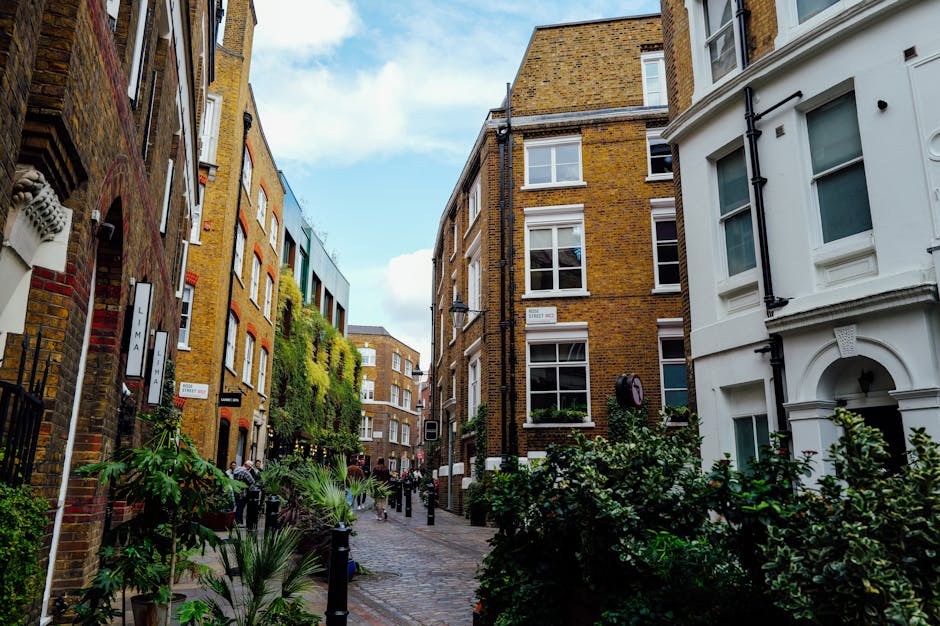
If you have a tiny back garden, a side return that barely fits a wheelbarrow, or a backyard reached through the kitchen, you already know the problem: the job is only half the battle. The other half is getting people, tools, waste, and materials in and out without turning the place into a mess. That is exactly where Roman Road small garden gardeners for awkward access jobs come into their own. They are used to tight passages, narrow gates, basement steps, shared hallways, and the kind of London access issues that make a simple tidy-up feel oddly complicated.
This guide breaks down what that actually means in practice, how awkward-access gardening is handled, what to expect from a professional service, and how to avoid the common pitfalls. It is written for people who need a small garden sorted properly, not just "roughly done".
Expert summary: awkward access changes everything in garden work. The best results come from careful planning, the right kit, realistic time allowances, and a team that understands how to work cleanly through tight spaces without damaging paths, walls, floors, or planting beds. Truth be told, that matters more than people realise.
Why Roman Road small garden gardeners for awkward access jobs Matters
Small gardens can be deceptively demanding. There is less room for manoeuvre, so every movement counts. If access is awkward, the challenge multiplies fast. A wheelbarrow may not fit through the route. A mower might be too wide for the gate. Waste bags may need carrying by hand, one by one, through the house or along a shared passage. That does not just slow the job down; it changes the way the whole project has to be designed.
On Roman Road and in the surrounding London streets, properties often have classic access quirks: narrow rear alleys, terraced layouts, split-level gardens, and small enclosed spaces where noise and mess travel quickly. In practical terms, the right gardener needs to think about the route in before they think about the plants.
Why does that matter to you? Because the best gardening result is not only about how the garden looks at the end. It is also about what happens during the work. Will your hallway stay protected? Can waste be removed without dragging soil across the patio? Can hedge cuttings, branches, and turf be handled without blocking neighbours' access? Those are the details that separate a smooth job from a stressful one.
It is also about realism. A tiny garden with awkward access may need a different schedule, slightly different equipment, and a more considered method than a standard open-access front garden. That is not a drawback. It is just the nature of the space. Once you accept that, planning becomes much easier.
For readers comparing local services, it can help to look at a broader overview of gardening and outdoor services first, then narrow down the exact work needed. If the task includes overgrown growth, debris or a full reset, garden clearance may be the more suitable starting point before maintenance or planting.
How Roman Road small garden gardeners for awkward access jobs Works
In simple terms, awkward-access gardening works by reducing friction. Every part of the job is planned around the route in and out, the working area, the waste strategy, and the tools that fit the space. That usually starts with a quick assessment, even if it is just from photos or a brief call.
A good gardener will want to know things like:
- How wide the gate, side passage, or doorway is
- Whether the path is level, sloped, or step-access only
- Whether materials must pass through the home
- How waste will be bagged and removed
- Whether there is space to stage tools without blocking movement
- What the garden actually needs: tidying, pruning, mowing, clearance, or a bigger redesign
Then the work is split into manageable stages. A compact lawn may be cut with a smaller mower or strimmer. A hedge may be trimmed section by section to prevent cuttings from clogging the route. Debris may be collected more frequently so piles do not build up in a cramped space. That sounds obvious, but in a tight garden it makes a huge difference.
Sometimes a job also needs a bit of improvisation. Not the chaotic kind. The sensible kind. For example, if the rear access is too tight for bulky sacks, waste may be double-bagged in smaller loads. If a driveway is shared, the team may work in shorter bursts to avoid obstructing neighbours. If the ground is delicate or newly laid, boards or protective coverings may be used. Small details. Big effect.
There is another part people often miss: communication. A property with awkward access almost always benefits from a more detailed plan than a standard "we'll pop round and see". The clearer the instructions up front, the smoother the visit will be. A few minutes of honest discussion can save a lot of back-and-forth later. And yes, sometimes it saves a muddy shoe or two.
Key Benefits and Practical Advantages
Choosing gardeners who are comfortable with awkward access is not just about convenience. It changes the quality of the whole experience.
- Less disruption: careful routing and smarter waste handling keep your home and neighbours less affected.
- Better finish in tight spaces: compact gardens need precise work, not just heavy-handed clearance.
- Reduced risk of damage: the right approach protects fences, gates, paving, walls, windows, and interior floors if tools have to pass through the house.
- More realistic planning: the job is scoped properly from the start, so there are fewer surprises later.
- Cleaner results: awkward-access sites can get messy quickly, so a tidy method matters more than most people expect.
Another practical benefit is confidence. If you have ever watched someone struggle to get a mower through a narrow passage, you know the feeling. You start wondering whether the rest of the job will be just as awkward. With the right team, you do not have to carry that worry. They will already have thought through the route, the tools, and the sequence.
For some households, the biggest win is simply time. A small garden can still take a long time if access is poor. Experienced gardeners tend to move more efficiently because they avoid unnecessary trips, broken rhythms, and wasted effort. They are not magic, of course. They just know how to work in a confined space without making the whole thing feel clumsy.
If your project is more than a one-off tidy-up, it may be worth pairing access-aware gardening with longer-term garden maintenance so the space stays manageable. And if the end goal is a better layout or easier use of space, landscape gardening or broader landscaping can help reshape the area for easier future care.
Who This Is For and When It Makes Sense
This type of gardening service is especially useful if your garden has one or more of the following:
- Narrow side access
- Back access only through the house
- Steep steps or split-level layouts
- Small courtyard or patio gardens
- Shared pathways or communal entrances
- Limited storage for tools or materials
- Overgrown spaces that need a careful first visit
It also makes sense for people who want a tidy, well-finished result without having to coordinate every tiny logistical problem themselves. That might include busy homeowners, landlords preparing a property, older residents who want the job handled safely, or anyone dealing with a garden that has been neglected for a while.
Let's face it, some gardens become awkward because life gets in the way. A hedge grows too large. A lawn turns patchy. Pots pile up. The compost bin ends up in the way. Then one day the garden looks smaller than it really is because getting to it feels like a puzzle. That is usually the point when specialist help becomes worthwhile.
It can also be a smart choice before a property sale, after tenants move out, or when you are planning improvements such as new edging, raised beds, or better access paths. In those situations, a straightforward tidy-up might not be enough. You may need a more structured approach, perhaps beginning with lawn mowing, hedge reduction, or a full garden reset.
Step-by-Step Guidance
If you are arranging awkward-access garden work for the first time, here is a sensible way to approach it.
- Describe the access honestly. Mention narrow gates, steps, internal routes, shared entrances, or anything else that may slow the work.
- Explain the outcome you want. A simple tidy, seasonal cutback, complete clearance, or something more design-led all need different planning.
- Send photos if possible. Even a few images from the gate, path, and main working area can be surprisingly helpful.
- Ask how waste will be removed. This is often the real bottleneck in small gardens. If cuttings and soil have to be carried through the house, you want that agreed early.
- Check what equipment will be used. Smaller tools, folding handles, lightweight bags, and compact cutting equipment can matter more than people realise.
- Agree the working order. For example, trim first, clear second, then final sweep. A good sequence keeps the space usable as the job progresses.
- Plan for access protection. Sheets, boards, floor coverings, and careful staging may be needed if tools move through internal spaces.
- Confirm the finish standard. "Done" can mean very different things to different people. Be specific about whether you want edges crisp, waste removed, paths brushed off, and planting left undisturbed.
One small but useful tip: if the route is awkward, make the access path as clear as you can before the team arrives. Move bins, bikes, bags, toys, and plant pots out of the way. It sounds basic, but honestly, it can shave a lot of friction off the whole visit.
Another tip: if you have a hedge, tree, or climbing plant that is crowding access, ask whether it needs trimming before other work begins. Sometimes the access problem is partly caused by the garden itself. In those cases, hedge trimming or tree lopping and removal may improve both safety and workflow.
Expert Tips for Better Results
After enough awkward-access jobs, a few patterns become very clear.
First, think in layers. In small spaces, the most efficient jobs usually happen in layers: access, debris, structural plants, surfaces, then final detail. If you try to do everything at once, the garden tends to swallow the progress. A little dramatic, but true.
Second, protect the route as much as the garden. People often focus on the plants and forget the hallway, thresholds, and paving that make the work possible. In reality, those surfaces are part of the job. If the route is clean and protected, the rest feels calmer.
Third, choose maintenance over rescue when you can. Small gardens with limited access become harder to manage very quickly once they are left alone for a few months. Regular visits are usually easier, cleaner, and cheaper to live with than a dramatic one-off rescue later.
Fourth, keep the finish proportionate. In a tiny space, overworking the garden can make it feel harsher rather than better. A softer prune, cleaner edging, and lighter shaping can be the smarter move.
Fifth, be realistic about weather and timing. A damp morning in London can turn a narrow path slippery and a waste-carrying route awkward. Sometimes the best decision is simply to slow down a touch. Not glamorous, but sensible.
And one more thing: do not underestimate how much easier a garden feels once the access is tidy too. A neat side passage or clear gate area can transform the experience of using the garden day to day. That is one of those things you only really appreciate after it has been sorted.
Common Mistakes to Avoid
People often make the same mistakes when arranging gardening work for difficult access. Avoiding them will save time, money, and a fair bit of hassle.
- Underdescribing the access: "It's a bit tight" is not enough if there are steps, bends, or internal routes involved.
- Assuming all gardening teams work the same way: some are better with standard open access than with cramped London layouts.
- Forgetting waste removal: the job can look simple until the cuttings need moving out.
- Overfitting the space: too many pots, furniture items, and storage boxes can make a small garden feel impossible to work in.
- Skipping maintenance: letting a compact garden get out of hand makes awkward access even more difficult to manage later.
- Not mentioning fragile areas: loose paving, weak fencing, or freshly painted hallways should be flagged early.
There is also a subtle mistake people make when they are trying to be helpful: they say yes to everything without asking how it will be handled. If a gardener needs to carry waste through your home, or if a mower will not fit through the gate, it is better to discuss that properly than to hope for the best. Hope is not a workflow. Shame, really.
Tools, Resources and Recommendations
For awkward-access small garden work, the kit matters more than the headline. You do not always need big machinery. In fact, oversized equipment can be a liability in tight spaces.
Useful items and approaches often include:
- Compact hand tools for precise cutting and shaping
- Lightweight pruning equipment for tight manoeuvres
- Small lawn tools where a standard mower is too bulky
- Strong but manageable waste bags or containers
- Protective coverings for indoor routes and delicate surfaces
- Foldable or modular equipment that is easier to move through narrow access points
From a homeowner point of view, your most useful resources are actually simple ones: a few clear photos, a rough sketch of access points, and an honest list of what feels difficult. The more precise the briefing, the better the result.
If you are comparing services, it can also help to review pricing and quotes information so you understand how a team may assess difficulty, access, and time on site. For many awkward-access jobs, the quote is less about garden size alone and more about how much effort it takes to reach, work, and clear the space.
If sustainability matters to you, ask how green waste is handled and whether material is sorted for recycling where appropriate. You can also check a provider's approach to recycling and sustainability to see whether they take waste handling seriously.
Law, Compliance, Standards, or Best Practice
For ordinary garden maintenance, the main compliance issues are usually safety, access, waste handling, and making sure work does not create avoidable risk to people or property. That may sound broad, but in real jobs it often comes down to common sense done properly.
For example, if tools, ladders, trimmers, or cut branches need to pass through a home or shared area, the team should take reasonable care to avoid damage and keep routes clear. If waste is being removed, it should be handled in line with normal local expectations for garden waste and site cleanliness. If trees or larger branches are involved, extra caution is wise because overhead hazards and falling debris are not things to guess at.
Good practice also means clear communication about insurance, safety, and limits of responsibility. That is one reason to look for a provider with a clear insurance and safety policy and a visible health and safety policy. You do not need a lecture. You do need reassurance that the basics are taken seriously.
On the accessibility side, it is sensible for any company to think about how a visitor, customer, or operative can move through the site safely and respectfully. If you want to understand how a business thinks about access and inclusion more broadly, an accessibility statement can be a useful signal.
There is no need to overcomplicate this. Best practice in awkward-access gardening is usually quite plain: plan carefully, protect surfaces, communicate clearly, carry out the work safely, and leave the area tidy. That is the standard. Simple, but not easy.
Options, Methods, and Comparison Table
Different access problems call for different working methods. Here is a simple comparison to help you think it through.
| Approach | Best for | Pros | Trade-offs |
|---|---|---|---|
| Standard garden visit | Open access, simple layouts | Quick, straightforward, low disruption | Can struggle in narrow or stepped spaces |
| Awkward-access focused visit | Narrow gates, internal routes, small enclosed gardens | Careful planning, better protection, cleaner workflow | May take longer and require more detailed briefing |
| One-off clearance first | Overgrown or cluttered spaces | Creates room to move, makes future maintenance easier | May feel more intensive at the start |
| Ongoing maintenance plan | Small gardens that become hard to manage quickly | Keeps access manageable, prevents build-up | Needs regular scheduling |
For many Roman Road homes, the best solution is not one method alone. It is usually a mix. A clearance to remove the congestion, then lighter maintenance visits to stop the garden returning to chaos. That approach tends to work better than dramatic rescues every so often. Less stress. Fewer surprises.
Case Study or Real-World Example
Here is a realistic example. A small terraced property has a rear garden accessed through the kitchen and along a narrow side route. The lawn is patchy, the hedge has crept outwards, and there are old pots, cuttings, and a tired border that has not been touched for months. The homeowner wants the space cleared and made usable again, but the access is the part they are most worried about.
A sensible approach would be to start with a short access review. Are there any fragile floorboards or tight turns inside? Can the route handle bags of waste? Would it be safer to break the work into two visits: one for clearance, one for finishing and shaping? In a case like this, the gardener might first remove clutter and cut back the overgrowth, then return to refine the edges, mow the lawn, and reset the planting area.
What makes this kind of job successful is not speed for its own sake. It is sequencing. The work is done in the order that suits the property, not in the order that suits a big open garden. You can almost hear the difference: less thumping, fewer back-and-forth trips, more measured movement. And the result feels calmer too.
That sort of method is especially useful when a small space needs more than a basic tidy. In the right hands, a difficult access route stops being the main problem and starts becoming just another part of the plan.
Practical Checklist
Use this checklist before booking awkward-access gardening work:
- Measure gate width, passage width, and any step access
- Take photos of the entrance route and the garden itself
- List any fragile flooring, walls, fencing, or paving
- Decide whether waste must pass through the house
- Identify the main job: maintenance, clearance, hedge work, mowing, or redesign
- Clear loose items, bins, and toys from the route if possible
- Ask how the gardener handles waste removal in tight spaces
- Confirm whether protective coverings will be needed indoors
- Check whether the work should happen in one visit or in stages
- Ask for a clear quote and timeline before work begins
Quick reminder: the best awkward-access jobs are usually the ones planned with calm, practical detail rather than guesswork.
Conclusion
Roman Road small garden gardeners for awkward access jobs are about more than gardening skill alone. They are about the ability to work carefully in spaces that do not give you much room to breathe. That means thinking ahead, moving cleanly, protecting surfaces, and keeping the finish sharp without turning the place upside down.
If your garden feels too tight, too cluttered, or too fiddly to manage on your own, that does not mean it is beyond help. It usually means the right approach has not been used yet. With sensible planning and the right team, even the awkward bits can become manageable. Often, that is the real difference.
If you are ready to explore the options, take a look at the full range of services, review the approach to about us information, and then decide what level of support your garden really needs. Small spaces can become lovely again. They really can.
Get a free quote today and see how much you can save.
And if you are still standing in the yard wondering where to begin, start with the access route. That is usually the clue that unlocks everything else.
Frequently Asked Questions
What counts as awkward access for garden work?
Awkward access usually means the gardener cannot get to the working area easily with standard equipment. That might include narrow gates, steps, internal routes through the house, shared passages, or a layout that limits how tools and waste can move around.
Can a small garden still be difficult to work on?
Yes, very much so. Small gardens often become more difficult, not less, because there is less room for tools, waste, and movement. A tiny space with bad access can be far more challenging than a larger open garden.
Do I need to clear the garden before the gardener arrives?
It helps if you can move bins, toys, loose furniture, and other clutter out of the way. You do not need to make the garden perfect. Just give the team a clear route and enough space to work safely.
Will awkward access make the job more expensive?
It can, because the work may take longer and require more careful handling. The exact cost depends on the route, the size of the job, the amount of waste, and whether the team needs extra protection for indoor or shared areas.
What kind of jobs are most common in these gardens?
Typical jobs include garden clearance, lawn mowing, hedge trimming, border tidying, pruning, and general maintenance. In some cases, landscaping or layout changes may also help make the space easier to use.
How do gardeners remove waste from a garden with poor access?
Usually by planning a safe route and using manageable bag sizes or staged removal. In some jobs, waste is cleared in smaller loads so it can pass through narrow routes without damage or mess.
Is it safe for garden workers to pass through my house?
It can be, provided everyone is careful and the route is protected properly. Floors, corners, and doorways should be handled with care. If you are unsure, ask in advance how the team protects internal spaces.
Should I choose clearance or maintenance first?
If the garden is overgrown, cluttered, or hard to move around in, clearance is often the better first step. Once the space is back under control, maintenance is much easier to keep on top of.
How long does an awkward-access job usually take?
It depends on the size of the garden, the amount of work, and how tricky the access is. A small garden can still take a fair while if tools and waste have to be moved carefully through tight routes.
What should I ask before booking a gardener for this kind of job?
Ask how they handle access, what equipment they plan to use, how waste will be removed, whether surfaces need protection, and whether the job is likely to need one visit or more. Clear questions usually lead to better results.
Can awkward-access gardens be improved so future maintenance is easier?
Absolutely. Simple changes such as better path layout, clearer access, more manageable planting, or a redesign of crowded areas can make ongoing care far easier. Sometimes a small structural tweak changes everything.
Is this the kind of job where photos really help?
Yes. Photos make a big difference. A few pictures of the route, the gate, the garden, and any awkward corners can help the gardener plan the job properly before they arrive.